TRADE SHOWS
Which show fits your sourcing task—and how should you prepare?
Frame your buying brief, plan supplier conversations, and decide what information is worth bringing back.
Trade-show field reporting · Supplier conversations · Materials & manufacturing
Independent sourcing intelligence for eyewear buyers.
CHAN ISSUE turns observations from China’s eyewear trade shows, supplier conversations, and materials and manufacturing questions into practical sourcing insight. The next sourcing report covers the Taizhou Optical Fair, 18–20 October 2026. It will be written after the visit, and it is not published yet.
Guides are free to read. Full sourcing reports are sold separately.
Independent and founder-led. It reports on suppliers; it does not manufacture, broker or rank them.
About the publication →How to prepare, what to ask, and how to evaluate information. Two categories: Trade Shows, and Materials & Manufacturing.
Explore the Guides →What we observed, what suppliers told us, how the findings compare, and what still needs checking. The next report is the Taizhou Optical Fair. Sold separately.
Inside a report →Practical guidance on finding suppliers, understanding products, and clarifying requirements before sampling and ordering.
Guides are written to be useful on their own. Published guides are linked below. A topic that is still only a preview is marked as such.
Which show fits your sourcing task—and how should you prepare?
Frame your buying brief, plan supplier conversations, and decide what information is worth bringing back.
What needs to be clear before sampling and ordering?
Understand the material, process, specification, and commercial questions that affect supplier comparisons.
Guides explain what to ask. The next sourcing report covers the Taizhou Optical Fair, 18–20 October 2026. It will bring together what we observe on that visit, what suppliers tell us, and what still needs checking. It will be written after the fair, and it is not published yet.
The fieldwork, organisation, comparison and interpretation — not merely hiding company names.
A supplier profiled in a report is not a recommendation to order, a factory audit, or a guarantee of manufacturing performance.
Full sourcing reports are sold separately.
The cover names the next report. The contents list is the format. No suppliers or commercial terms are shown.
How a buyer can move from a trade-show visit to a shortlist worth sampling, in three steps.
This sample demonstrates the editorial format. It is not the Taizhou Optical Fair report.
A trade show rewards buyers who arrive knowing what they are trying to decide. Before the visit, write down the product you need — frame type, material, finish, target market — and the quantities you realistically expect to order.
Then list what you do not yet know. Those open questions, not the exhibitor map, should decide which booths deserve your time and what you ask when you get there.
A useful visit note is not a summary of a pleasant meeting. It keeps three kinds of information apart, so that something a supplier said is never later remembered as something you saw.
These labels describe types of evidence. They are not verification badges.
A display tray can show finishes and construction. It cannot show consistency across a bulk order. Photographs from the Taizhou visit will appear in the report, not in this excerpt.
A quotation or a manufacturing claim is only as useful as the conditions behind it. The same figure can mean different things depending on whether it applies per style or per colour, which materials and packaging it assumes, and when the lead-time clock actually starts.
Before requesting samples, ask for those conditions in writing and note the date you received them. Whatever remains unanswered belongs on your shortlist as an open question — not as a reason to assume the best.
End of illustrative excerpt. The next sourcing report will use this format for the Taizhou Optical Fair, 18–20 October 2026. It has not been written.
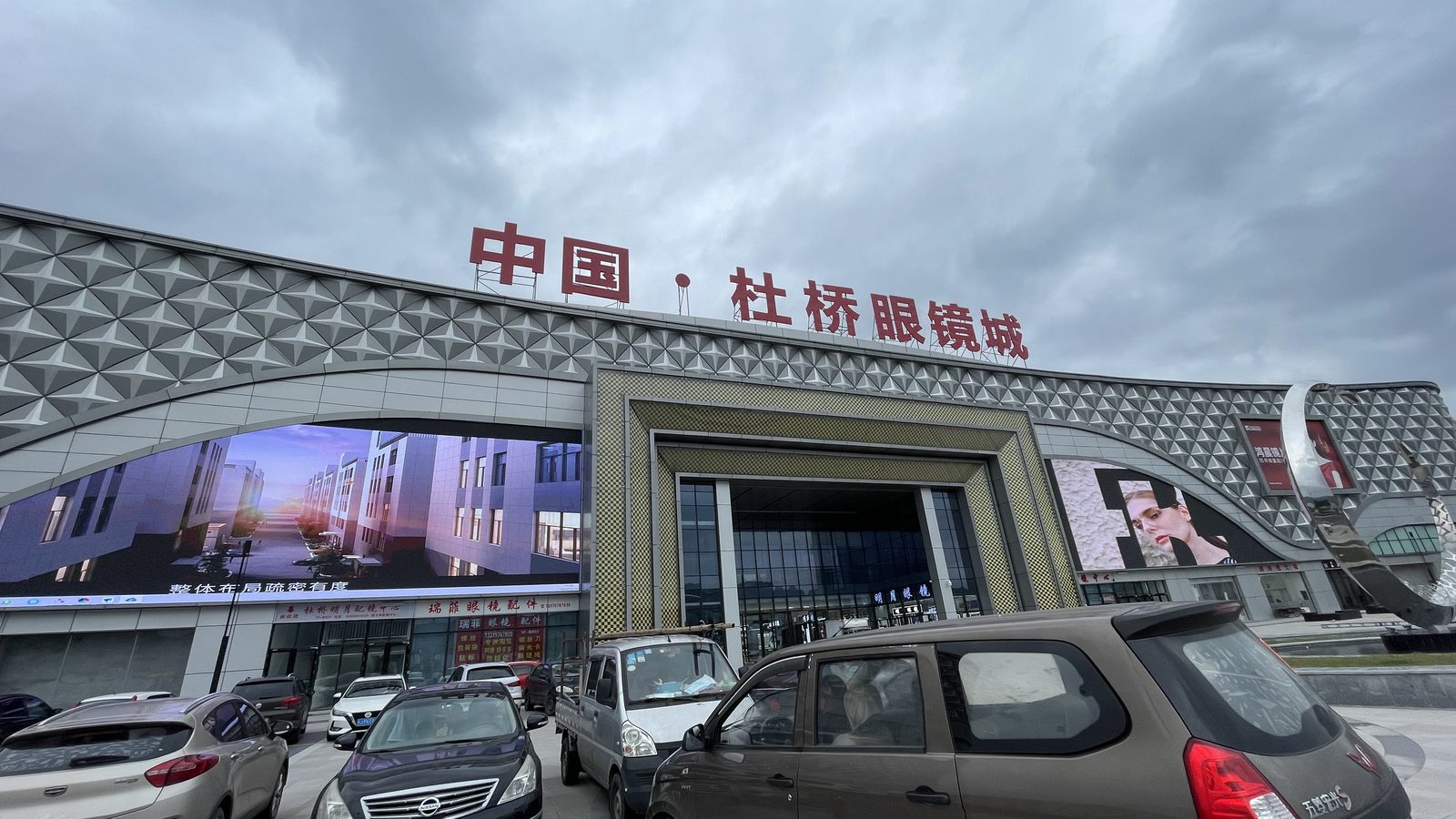
Reporting follows one workflow and keeps the same distinctions in every report, so a reader can always tell what was seen, what was said, and what is still open.
“A display sample is not a factory audit or a guarantee of bulk-order quality.”
CHAN ISSUE is founded and edited by Jay, who has eyewear manufacturing and export experience. He does not own a factory or an affiliated factory.
Any commercial sourcing support is handled separately from the publication. Relevant commercial relationships will be disclosed.
Joining the reading list does not authorise us to share your information with suppliers or to hand you over to a separate commercial team.
Receive free field notes and publication updates. Full sourcing reports are sold separately.
Joining is free. It is not a paid membership and does not purchase or unlock a report.